
Sharing good practice: ANMEC’s UDL story
Universal Design for Learning (UDL) is an evidence‑based framework that improves learner engagement and learning outcomes. It is a key part of the Skills SA Student Support Standards, which all FAA Registered Training Organisations (RTOs) must meet. Find out more about UDL
In this case study, Helen and Kylie shares the Australian Nursing and Midwifery Education Centre’s (ANMEC) journey in using UDL in real learning environments, showing how inclusive design can benefit learners, educators and organisations.
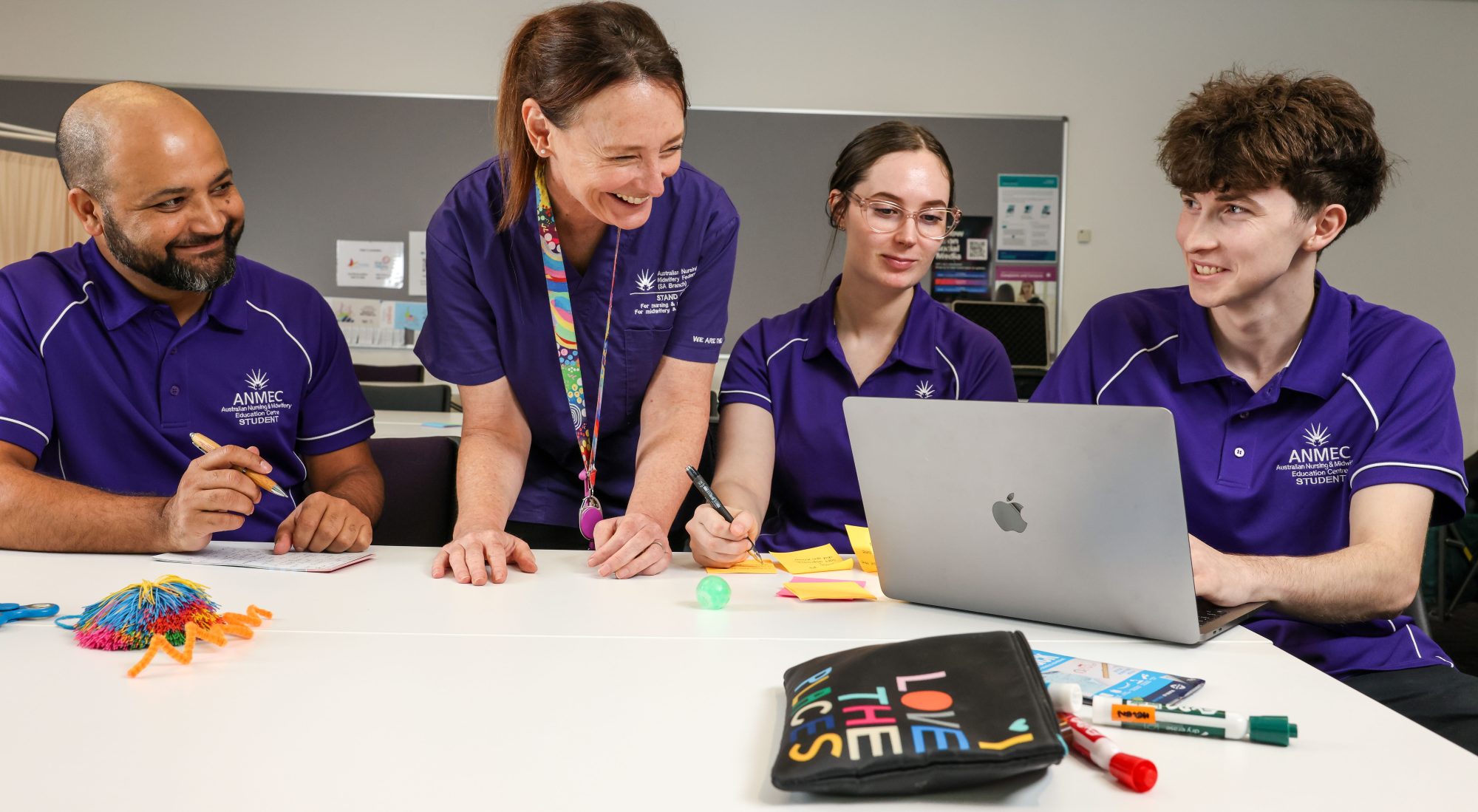
“We are the Australian Nursing and Midwifery Education Centre (ANMEC), a specialist Registered Training Organisation delivering education and training for the nursing, aged care, disability and social support workforce. We work with a diverse learner cohort that includes school students, adult learners, mature‑age workers and people from culturally and linguistically diverse backgrounds.”
“We chose to prioritise Universal Design for Learning (UDL) to strengthen inclusive practice across the organisation and apply it more consistently. While many inclusive strategies were already in place, we wanted a shared, evidence‑based framework that could guide curriculum design, resource development and learner experience across all programs.
As a provider operating in highly regulated health training environments, it was important that any approach to inclusion maintained compliance, quality and high standards. UDL offered a way to better support learner diversity while improving engagement, learning transfer and workplace readiness, without compromising regulatory requirements.”
“Our engagement with UDL was driven through participation in the 2025 Skills SA UDL Leaders Program. Three senior education staff completed the program, which included workshops, online learning and attendance at the ADCET UDL Symposium.
Through this experience, we developed a stronger and more practical understanding of UDL principles and how they can be applied in compliance‑driven vocational education and training contexts. The program helped us move from individual, educator‑led inclusive practices to a shared organisational approach supported by common language, tools and expectations.”
“We are embedding UDL through both everyday teaching practice and organisation‑wide systems change.
At a practical level, we are using UDL to:
- Review and improve student‑facing documents, including the student handbook
- Design new foundation skills units
- Create learning content in multiple formats using digital and emerging AI tools
- Review teaching and learning resources across nursing, aged care, disability and allied health programs.
At a systems level, UDL has been adopted by our Diversity, Equity and Inclusion working group. This group uses UDL principles to guide reviews of enrolment processes, curriculum design, learning technologies and scheduled unit updates, ensuring inclusive design is embedded beyond individual classrooms.”
“While implementation is ongoing, we have observed increased staff confidence and stronger alignment around inclusive practice across the organisation. UDL has provided a practical and flexible framework for improving learner experience while maintaining quality assurance and compliance.
Our key learnings include:
- UDL supports inclusive practice at both classroom and system levels
- Leadership and governance are critical to embedding and sustaining change
- UDL can be effectively applied in regulated health training environments
- Inclusive design strengthens educator capability, learner engagement and progression
Early indicators suggest more inclusive course design is supporting improved learner confidence, retention and progression, particularly for learners requiring additional support.”
“Our next steps focus on deepening and sustaining this work. We will continue to embed UDL into curriculum review cycles, assessment design, learning technologies and organisational processes. Strengthening inclusive course design while supporting workforce readiness remains a key priority, particularly in response to workforce shortages in health and care sectors.”