
Sharing good practice: CAASSA’s UDL story
Universal Design for Learning (UDL) is an evidence‑based framework that improves learner engagement and learning outcomes. It is a key part of the Skills SA Student Support Standards, which all FAA Registered Training Organisations (RTOs) must meet. Find out more about UDL.
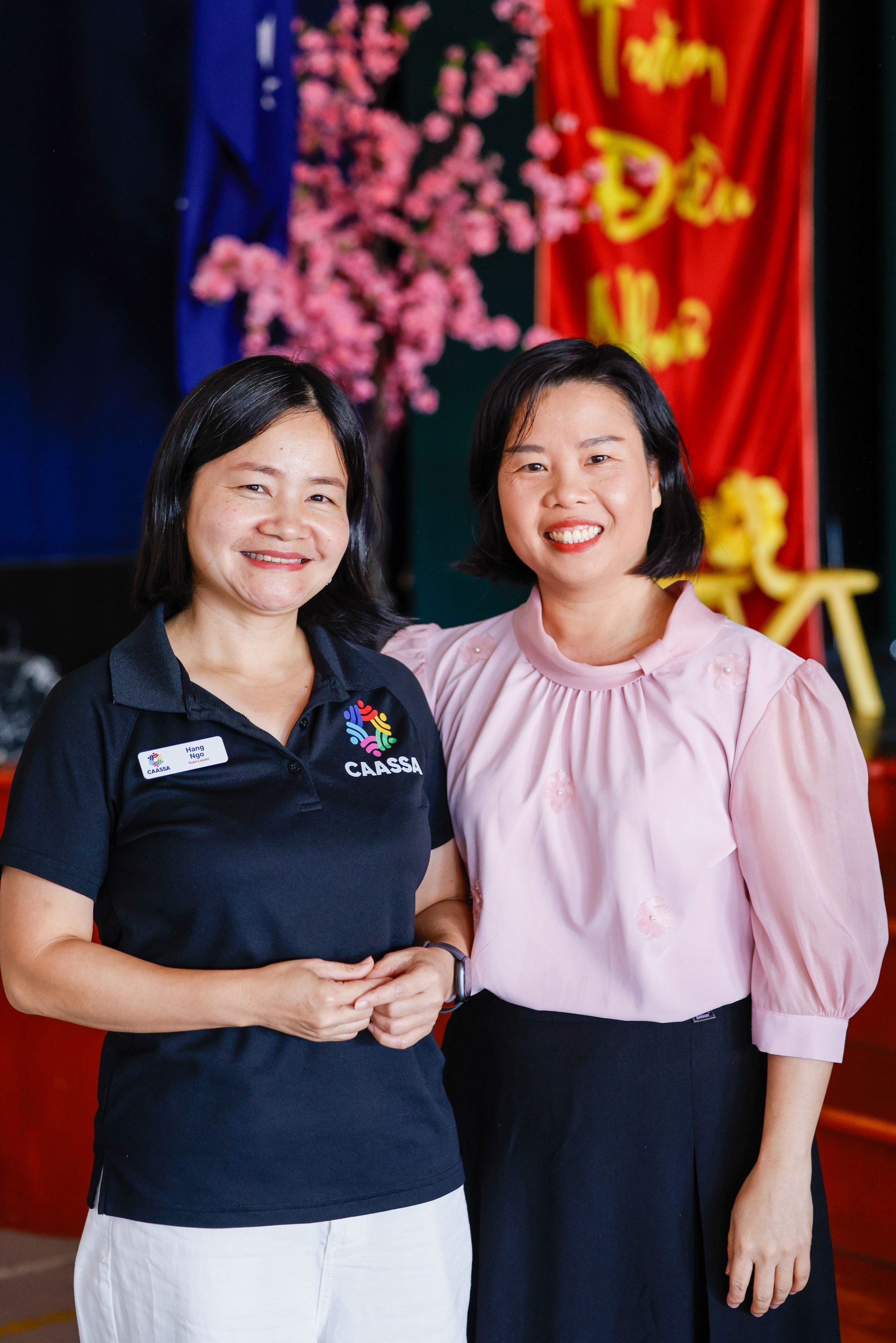
In this case study, Hang and Ninh share the Community Access and Services SA’s (CAASSA) journey in using UDL in real learning environments, showing how inclusive design can benefit learners, educators and organisations.
“We are Community Access and Services South Australia (CAASSA), a multicultural Adult Community Education (ACE) provider supporting adults from culturally and linguistically diverse (CALD) communities across South Australia. Our learners come from Vietnamese, Arabic, Afghan, Bhutanese and many other migrant and refugee backgrounds. Many face complex barriers to learning, including limited English, low literacy, low digital confidence, trauma, interrupted education, and age-related challenges.”
“We chose to prioritise Universal Design for Learning (UDL) because we recognised that traditional teaching and assessment approaches – particularly those heavily focused on written English – can unintentionally exclude CALD learners. Even when learners have strong practical skills, life experience and motivation, language-heavy approaches often prevent them from demonstrating what they can genuinely do.
Our goal was to focus on designing learning and assessment that works for a wide range of learners. UDL offered us a framework to address language, cultural, digital and age-related barriers, while still maintaining clear learning goals, expectations and standards.”
“Our engagement with UDL began through the 2025 Skills SA UDL Leaders Program. Two of our educators—Hang Ngo (ACE Team Leader) and Thi Hai Duong Ninh (ACE Educator)—participated in this program, which included workshops, an online eLearning course and attendance at the 2025 ADCET UDL Symposium.
The program helped us move from intuitive, ad‑hoc adjustments to more intentional, structured and consistent inclusive practice. It provided a shared language and framework that could be embedded across teams, rather than sitting with individual educators. Learning from the program has since been shared internally through short professional development sessions and is now incorporated into staff induction.”
“UDL is now embedded in our everyday teaching, particularly in English language and digital literacy programs. We design learning materials in multiple formats, including large-print guides, visuals, videos, demonstrations, bilingual resources, and step-by-step instructions. Materials are shared through different channels such as email, WhatsApp and hard copy, so learners can choose what works best for them.
We also provide multiple ways for learners to participate and demonstrate their learning. Rather than relying solely on written tasks, learners may demonstrate skills verbally, use voice-to-text tools, work collaboratively in small groups, or complete practical, real-life activities. Lessons are grounded in culturally relevant examples and everyday tasks, which helps learners feel more relaxed, confident and engaged.
At a system level, we have also applied UDL to assessment design. In partnership with the Australian Nursing and Midwifery Education Centre (ANMEC) and industry partners, we initiated redesign for some assessments in the Entry into Care Role Skill Set. Written-only assessments were replaced or supported with observation-based assessment, video and photo evidence and portfolio approaches that value informal and culturally based care experience and can move towards Recognition of Prior Learning (RPL). This approach maintained quality and compliance while reducing language-based barriers.”
“Our experience has reinforced that designing learning and assessment inclusively benefits all learners, not just those facing barriers.
We have observed tangible outcomes, including higher learner engagement, increased confidence, improved completion rates and stronger transitions into everyday life activities and employment.”
“Our next focus is on deepening and sustaining this work. UDL is now embedded in our program planning, professional learning approaches and shared teaching resources. We are continuing to apply UDL principles to assessment design, partnerships and workforce-focused programs.
We are also committed to sharing our learning with the broader sector. CAASSA presented at the 2026 ADCET UDL Symposium on UDL-aligned assessment for CALD learners. By sharing our journey, we hope to support other ACE and VET providers to strengthen inclusive practice and improve outcomes for diverse adult learners.”
Our presentation on Co-designing UDL-aligned summative assessment for CALD adult learners in care sector training is available to view here.