
Sharing good practice: SALC’s UDL story
Universal Design for Learning (UDL) is an evidence‑based framework that improves learner engagement and learning outcomes. It is a key part of the Skills SA Student Support Standards, which all FAA Registered Training Organisations (RTOs) must meet. Find out more about UDL.
In this case study, Tim Koster shares the South Australian Learning Centre’s (SALC) journey in using UDL in real learning environments, showing how inclusive design can benefit learners, educators and organisations.
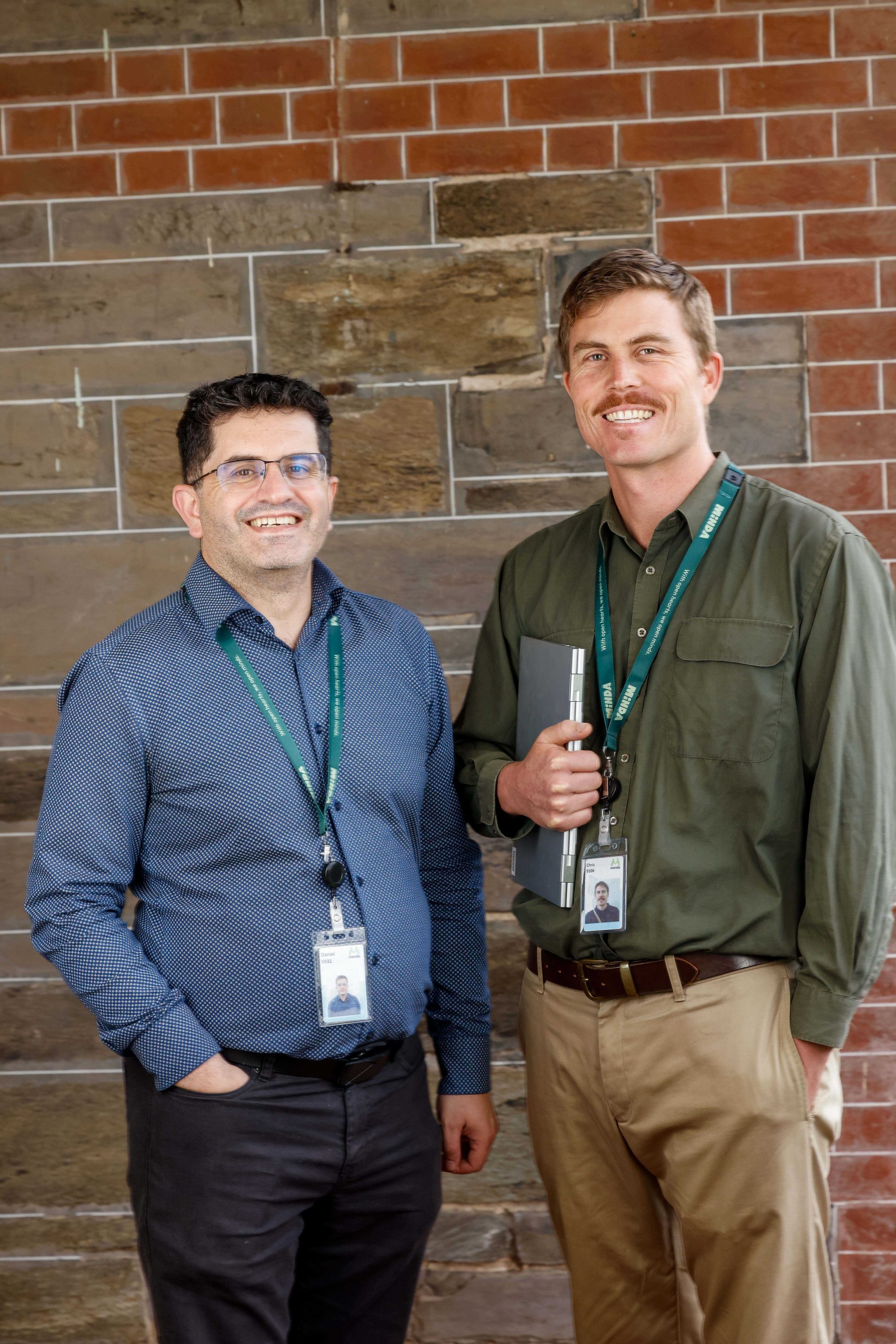
“Minda is the largest private disability service provider in South Australia, with a history of 127 years. We deliver vocational education and training through our South Australian Learning Centre (SALC), which was founded in 2003. We’re a not‑for‑profit Registered Training Organisation and disability service provider, supporting school students and adults across South Australia.”
“We wanted to strengthen and embed inclusive practice across the whole organisation. One of our core pillars is supporting a diverse student cohort, including those with disability. Our staff need the skills to support our learners with diverse needs, including intellectual disability and other neurodivergent learner needs such as ADHD and autism.
Our goal was to move away from making adjustments only after learners asked for support. Instead, we wanted to design learning and assessment that works for more learners from the start. Universal Design for Learning (UDL) gave us a clear way to do this, and it also aligned well with Skills SA compliance requirements around student support.”
“In 2025, three of our staff – Daniel Cassar (Lead Trainer), Brian Mooney (Training Coordinator) and Chris Wood (Training Coordinator) – took part in the Skills SA UDL Leaders Program. This included four UDL workshops run by Skills SA, completing the ADCET UDL in Tertiary Education eLearning program and attending the 2025 ADCET UDL Symposium in Sydney
Through this learning, we developed a shared understanding of UDL and how it applies in a VET context. We also found that UDL gave clear language and structure to inclusive practices we were already using. Attending the symposium helped us connect our work to broader conversations happening across the sector.”
“After completing the program, we focused on embedding UDL across the training organisation, not just in individual classrooms. Some of the key changes we’ve made include:
- Designing courses and assessments with multiple ways for learners to engage and demonstrate what they know
- Reducing reliance on individual adjustment requests through proactive, inclusive design
- Increasing the use of digital and assistive tools in higher‑level programs
- Continuing structured, practical learning approaches in our Certificate I programs.
We’re also planning to introduce a new Learning Management System to further support flexible and accessible learning.
One practical example is the AHC10322 Certificate I in Horticulture that was developed by Chris and Daniel and delivered at Golden Grove High School in terms 3 and 4 last year through a unique collaborative approach with the school and stakeholders. The program used structured, hands‑on learning in an authentic environment, with UDL principles embedded throughout. This approach reduced barriers for learners with diverse needs and supported confidence and participation from the outset. 11 of 12 the participants successfully completed the qualification, which is a very strong outcome for a VET program.”
“Our experience has shown us that:
- UDL provides a clear and practical framework for inclusive teaching
- Designing courses inclusively benefits all learners, not just those who disclose a support need
- UDL works best when it is embedded in systems and leadership, not left to individual teachers
- Sharing practice helps build confidence and momentum across an organisation.
Our journey shows that UDL can be successfully implemented in compliance‑focused environments while still supporting learner choice, quality and consistency.”
“We know that UDL works best when it’s backed by strong leadership and systems. We’re exploring the introduction of a UDL Champion role and continuing to share learning through staff workshops and shared resources. We’re also applying UDL principles to our corporate and industry training.
Daniel, Chris and our colleague Peter Wilkes presented at the June 2026 ADCET UDL Symposium in Hobart, sharing lessons from our work on embedding UDL in VET while maintaining quality and compliance. This was our opportunity to contribute to sector learning and showcase the growing leadership of South Australian RTOs in inclusive education.”
Our presentation on Benefits and cautions when embedding Universal Design for Learning into RTO practice is available to view here.